Introduction
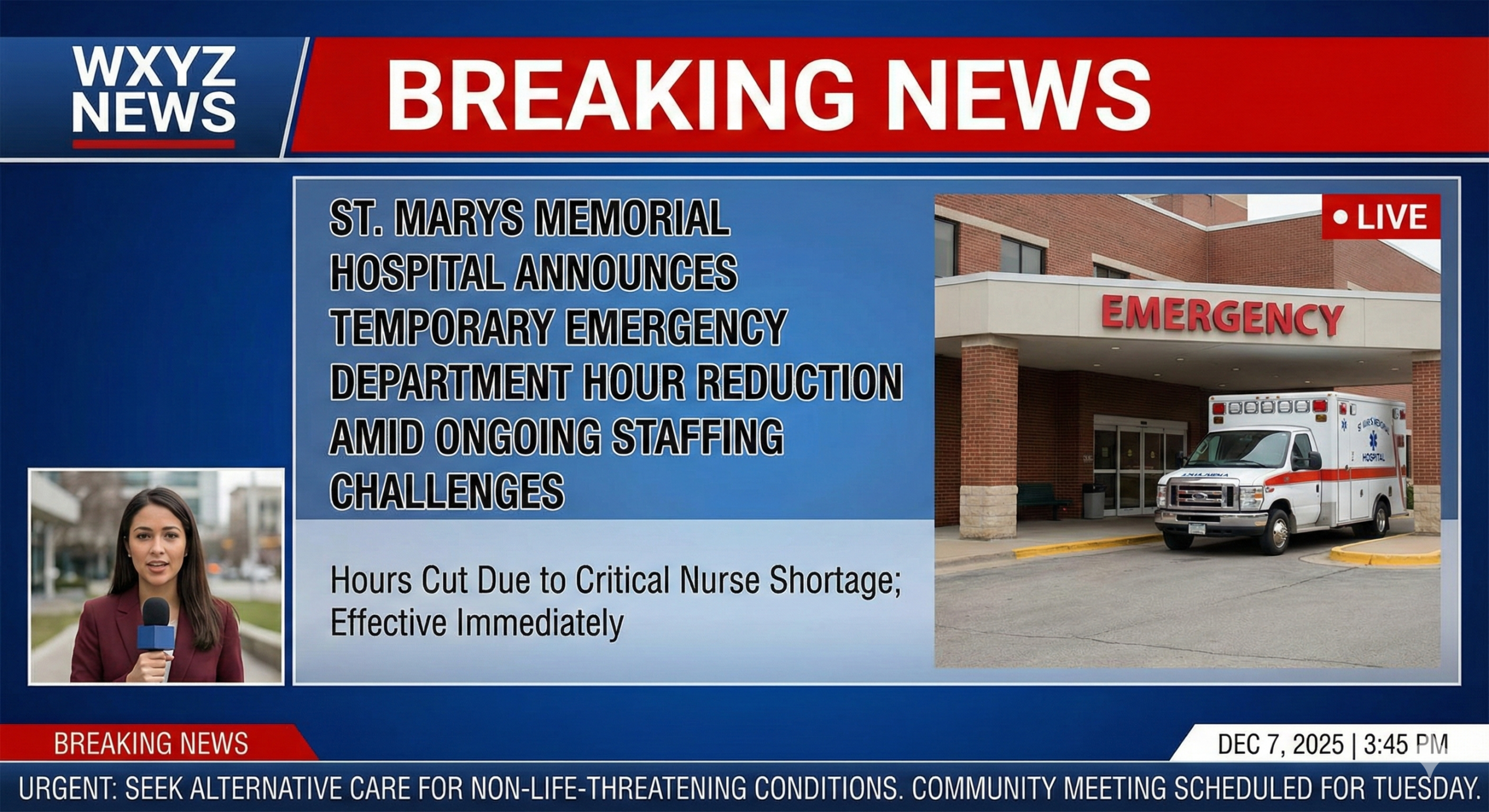
As Air Transat pilots move closer to strike action following the union’s 72-hour notice, the airline has begun a “gradual and orderly shutdown” of operations, prompting widespread concern among travellers. With flights suspended in phases on Dec. 8 and 9, thousands of passengers now face uncertainty at the height of the busy holiday travel period. Amid the unfolding situation, passenger rights experts are warning customers to proceed cautiously and to fully understand the entitlements afforded to them under Canadian air travel regulations.
Gábor Lukács, founder of the advocacy group Air Passenger Rights, is among the most vocal critics of the airline’s response. Speaking with CTV News Channel on Sunday, he emphasized that Air Transat is legally responsible for rebooking passengers — including on competing airlines — and for covering added expenses when cancellations occur within the airline’s control.
The dispute between Air Transat and its pilots, which has been nearly a year in negotiation, has now escalated into a confrontation with significant consequences for passengers, the airline, and the broader travel network.
Airline Cancellations and Passenger Rights
Cancellations Within the Airline’s Control
According to Lukács, the timing and nature of Air Transat’s cancellations place the responsibility squarely on the airline. He notes that when flights are cancelled before a strike officially begins — as is the case with Air Transat’s preemptive suspension of flights — they are considered “within the carrier’s control” under federal regulations.
“When an airline cancels a flight preemptively before the workers have walked off the job, that is a cancellation within the carrier’s control,” Lukács said. This distinction matters: it determines the level of service, compensation, and rebooking obligations the airline must meet.
Under the Air Passenger Protection Regulations (APPR), airlines must offer the following when cancellations fall within their control:
-
Rebooking options, including on competitor airlines if necessary
-
Meal vouchers during long waits
-
Accommodation when overnight delays occur
-
Compensation of up to $1,000 for significant disruptions, depending on the length of delay and the passenger’s arrival time at their final destination
Lukács stresses that these are not optional gestures of goodwill — they are legal obligations.
Air Transat’s Response and Repatriation Plan
Ensuring Passengers Return Home
In response to the strike notice, Air Transat has committed to returning all passengers currently abroad. Dave Bourdages, the airline’s vice-president of flight operations, told CTV News Channel that teams are working on a coordinated plan to bring customers back to Canada over the next three days.
Bourdages also said Air Transat is providing travel credits for those who wish to proactively alter their travel plans. While this may offer flexibility for some customers, passenger advocates caution that such credits might not always be in the traveller’s best interest.
The Risks of Accepting Refunds or Credits
Lukács warns passengers against accepting credits or refunds without fully understanding the potential consequences.
“It’s very nice that the airline is offering various options to passengers, but passengers have no obligation to accept those offers,” he said. Accepting a refund or a travel credit could shift responsibility from the airline to the traveller, effectively removing the carrier’s obligation to provide alternate transportation or compensation.
Once a refund is taken, the airline’s duty to rebook ends. “You don’t have to accept a refund either; you can insist on being transported on a competitor airline on the original date, or as close to it as possible,” Lukács advised.
Contract Negotiations and Rising Tensions
A Year of Stalled Talks
The unfolding travel disruption is rooted in nearly a year of gridlocked negotiations between Air Transat and its pilots. The pilots’ union says it issued the strike notice after “months of unproductive bargaining,” suggesting that key issues remain unresolved despite multiple negotiation attempts.
The union argues that Air Transat pilots have experienced a decade-long lag in compensation and working conditions compared to peers in the industry. One pilot interviewed earlier in the week said there were “10 years of catch up to do” before a new agreement could reasonably be approved.
Air Transat Claims Its Deal Is Generous
The airline, however, maintains that it has put forward a substantial offer. In its public statements, Air Transat says its proposal includes:
-
A 59% salary increase over five years
-
Major improvements to working conditions
Air Transat insists that an agreement remains feasible before the strike deadline. Yet, the fact that operations are already scaling down indicates that the company is preparing for the possibility of significant disruption.
The Core Dispute: Rebooking Responsibilities
Why Advocates Say the Airline Is Falling Short
One of the most contentious aspects of Air Transat’s response is its approach to rebooking passengers. According to Lukács, Air Transat’s suggestion that customers purchase new tickets on their own and seek reimbursement later is inadequate and inconsistent with legal standards.
“Air Transat is still required to rebook passengers on flights on its partner airlines to depart within 48 hours of the original departure time,” he said. If that is not possible, the airline must go a step further: “Air Transat has to buy, using its own corporate credit card, its own money, tickets for passengers on competitor airlines.”
The idea of asking passengers to buy tickets out-of-pocket — potentially at last-minute holiday-season prices — violates the airline’s obligations, he added. “What Air Transat is doing and suggesting people to buy tickets and then seek reimbursement, that does not cut it.”
What Passengers Should Do If the Airline Fails to Act
Although the responsibility lies with Air Transat, Lukács acknowledges that some passengers may find themselves in situations where no rebooking is provided. If that happens, he advises that travellers may need to purchase new tickets themselves to avoid extended delays.
“It is Air Transat’s obligation to buy your ticket, not you to run after them,” he said. But if the airline does not uphold its responsibilities, passengers can still secure reimbursement — along with compensation for any additional eligible expenses — under the APPR.
What Travellers Need to Know Moving Forward
Key Steps for Impacted Passengers
With the upcoming days likely to bring further cancellations and delays, passengers should take proactive steps to protect their rights:
1. Document everything
Save all receipts, booking confirmations, and written communication with the airline.
2. Do not feel pressured to accept a refund or credit
A refund ends the airline’s duty to rebook, which could limit travel options.
3. Request rebooking on competitor airlines
Airlines are legally required to rebook passengers on other carriers when necessary.
4. Know your compensation rights
For cancellations within the airline’s control, travellers may be owed up to $1,000 in compensation.
5. Act quickly but carefully
Holiday travel disruptions escalate rapidly, so understanding your entitlements early is essential.
Conclusion
As Air Transat enters a critical phase in its contract dispute with pilots, the ripple effects on passengers are already significant. While the airline insists that its offers to employees are competitive and that it is taking steps to support travellers, advocates argue that its rebooking practices fall short of legal obligations.